
What the Financial Aid Letter Is Telling You
Every spring, acceptance letters arrive and families feel a wave of joy. Then, a few weeks later, the financial aid packages follow. For many families, that second envelope is where the real decision gets made.
Financial aid letters are consequential documents. They are also, frequently, confusing ones. Understanding what you are actually looking at can make the difference between a good decision and one that takes years to recover from.
The sticker price is not the price. Colleges publish a cost of attendance that includes tuition, fees, housing, meals, books, and personal expenses. That number rarely reflects what a family will actually pay. What matters is the net price after grants, scholarships, and any institutionally awarded aid are subtracted. Two schools with very different sticker prices can end up costing a family nearly the same amount, and sometimes the school with the higher published cost is actually the better financial offer.
Not all aid is the same. Financial aid packages often bundle several different types of funding together, and the distinctions matter enormously. Grants and scholarships do not need to be repaid. Loans do. Work-study programs provide campus employment opportunities but require actual work hours to generate the funds. A package that looks generous at first glance may, on closer inspection, consist largely of loans. Read every line carefully.
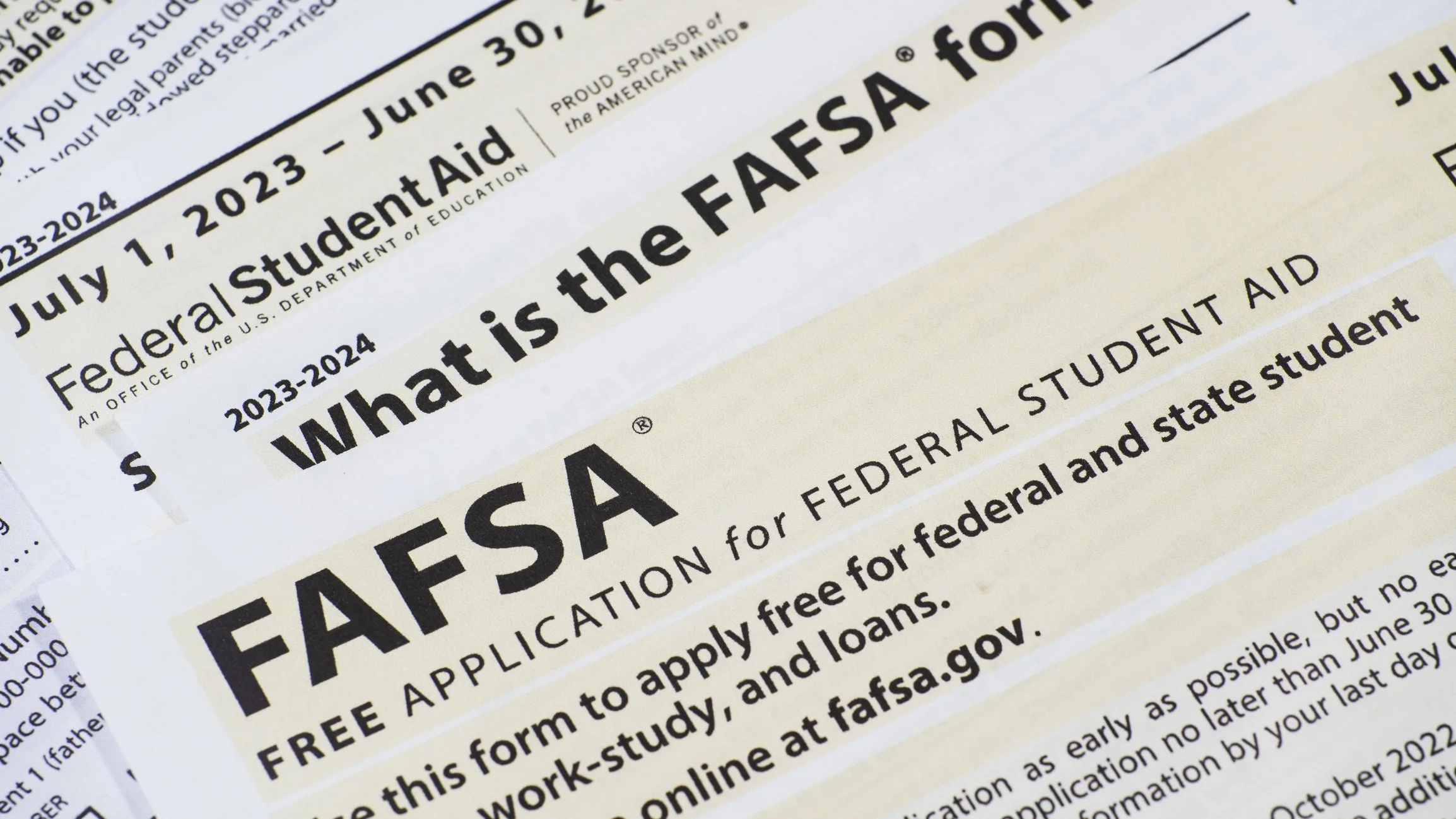
The FAFSA is the starting point, not the whole picture. The Free Application for Federal Student Aid determines eligibility for federal grants, loans, and work-study programs. Many private colleges also require the CSS Profile, a separate form that asks for more detailed financial information and is used to determine the school's own institutional aid. Families applying to a mix of public and private schools may need to complete both. Filing early matters. Some aid is distributed on a first-come, first-served basis, and state deadlines often arrive well before the federal one.
You can ask for a better offer. This is something many families do not know, and it is worth saying plainly. If your financial circumstances have changed, if another school has offered significantly more, or if the package simply does not work for your family, you can contact the financial aid office and ask for a reconsideration. Put it in writing. Be specific. Be polite. Colleges expect these conversations, and some have formal appeal processes in place for exactly this purpose.
Fit and finances are connected. This is the piece that gets lost in the excitement of acceptances. A student who graduates with substantially less debt has more freedom. More freedom to choose a career based on interest rather than necessity, to pursue graduate school, to take a risk, to live without the pressure that significant loan obligations create from the very first month after graduation. Financial aid is not a separate conversation from the question of where a student belongs. It is part of the same conversation.
The goal is not just to get in. It is to get in somewhere, and then to be able to go. Understanding the financial aid letter is how that happens.